In order to enhance the appearance of teeth, thin, tooth-colored shells known as dental veneers are bonded to the front surface of the teeth. They are permanently attached to your teeth and frequently constructed from porcelain or resin composite materials.
A variety of cosmetic issues, such as chipped, cracked, discoloured, or smaller-than-average teeth, can be treated with veneers.
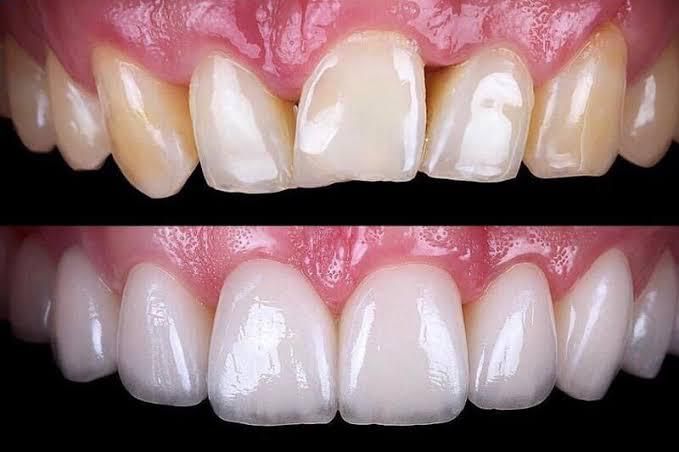
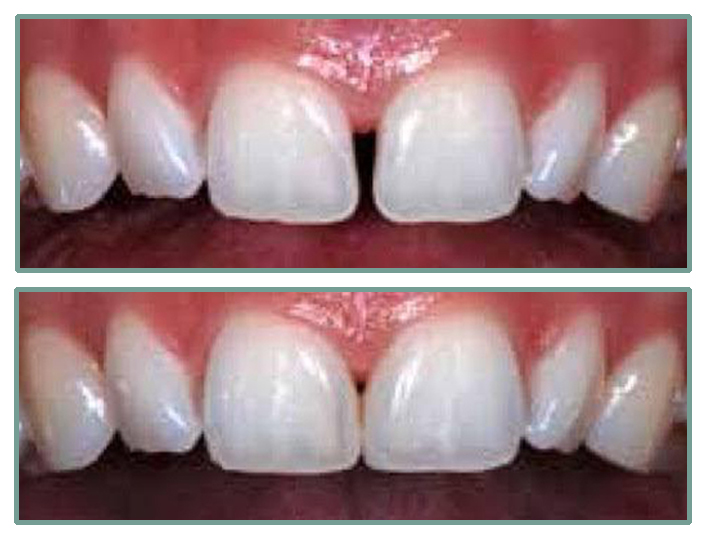
Veneers: Before and after
With a dental veneer, you may go from having a tooth that is chipped, broken, deformed, or stained to one that is evenly shaped and naturally coloured. You might be shocked by how much of a difference this can make. See what to expect by looking at these before and after pictures.
Which type of veneer is best?
How do you determine which veneer kind is ideal for you? You should take into account the following:
cost
Length of time of the installation process
Appearance of the veneers
Longevity of the veneers
Your dentist’s recommendations
What Is Composite Bonding?
Composite bonding is a contemporary technique for restoring teeth, whether for aesthetic reasons or to rebuild missing tooth structure. To reshape or brighten existing teeth, a resin material that matches the colour of the tooth is bonded to them.
We apply the glue ingredient with a very strong bond, polish it, and it will last for many years. Almost all patients can benefit from composite bonding.
Why Is Composite Bonding Necessary?
Bonding is just aesthetic and not necessary. Typically, bonding doesn’t require the dentist to remove any tooth structure. To give your teeth the shape or colour of your choice, composite material is attached to them.
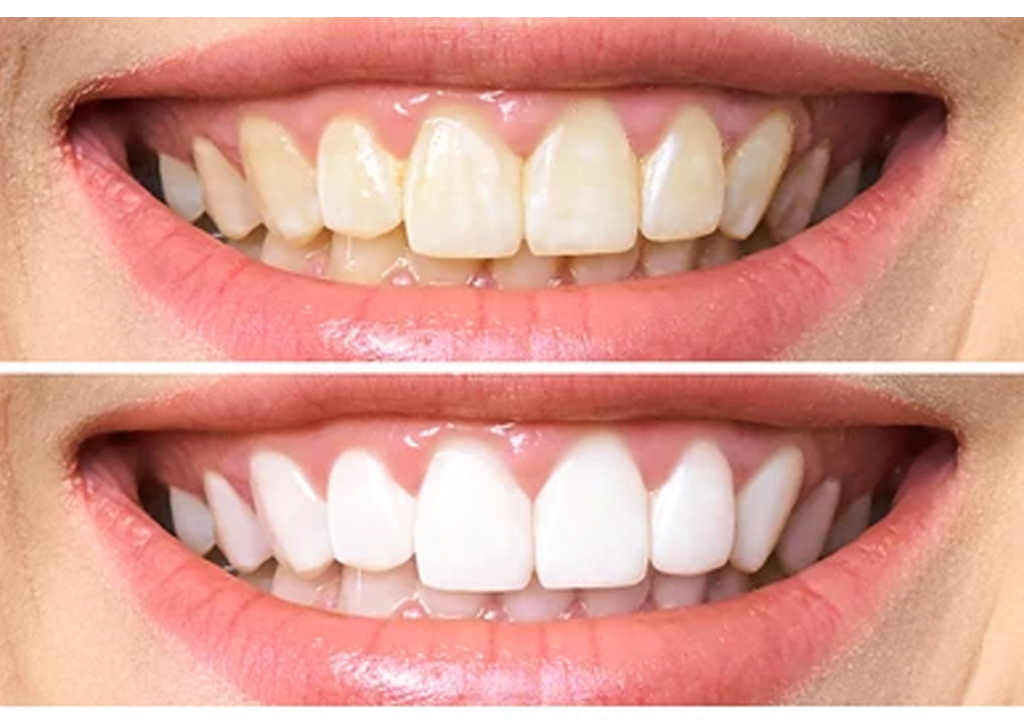
Teeth Whitening: How it Works
One of the most common cosmetic dentistry procedures is teeth whitening, which offers a quick, non-invasive, and reasonably priced approach to improve a smile. Every budget, time limit, and temperament can be satisfied by whitening (or bleaching) procedures, which are universally valued by both men and women. Solutions abound, whether they come in the shape of professionally performed one-hour whitening sessions at a dental clinic or cosmetic salon, or home-use bleaching kits bought at your neighbourhood drugstore.